Oil Immersed vs Dry Type Transformers
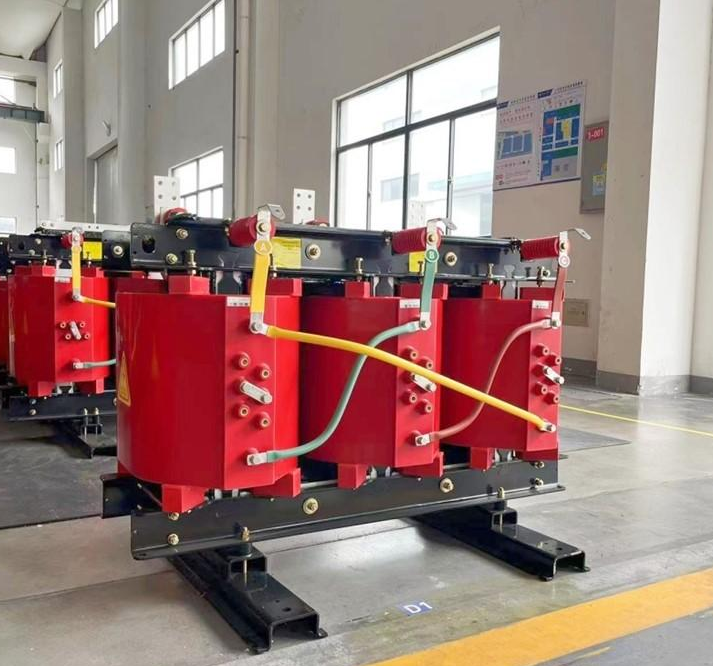
Oil Immersed vs Dry Type Transformers: Which One Is Right for Your Project?
Selecting the correct transformer is one of the most important decisions in power distribution design.The two most commonly used transformer types are oil immersed transformers and dry type transformers. Each serves different applications and project requirements.
Oil Immersed Transformers
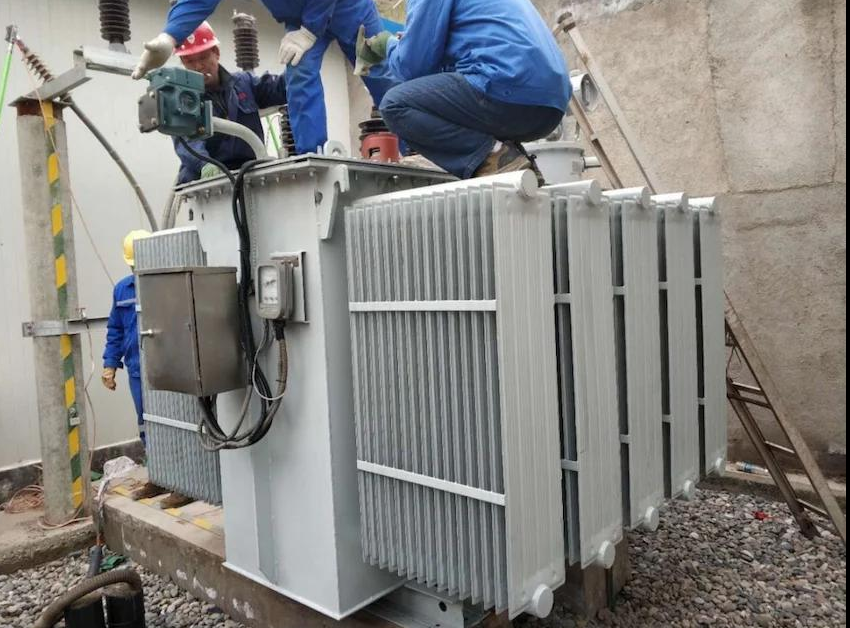
Oil immersed transformers use insulating oil for cooling and electrical insulation.Advantages:
- Higher efficiency
- Better heat dissipation
- Lower initial investment cost
- Suitable for outdoor installation
- Ideal for large capacities
Common Applications:
- Utility substations
- Solar farms
- Wind power projects
- Industrial facilities
- Distribution networks
Dry Type Transformers
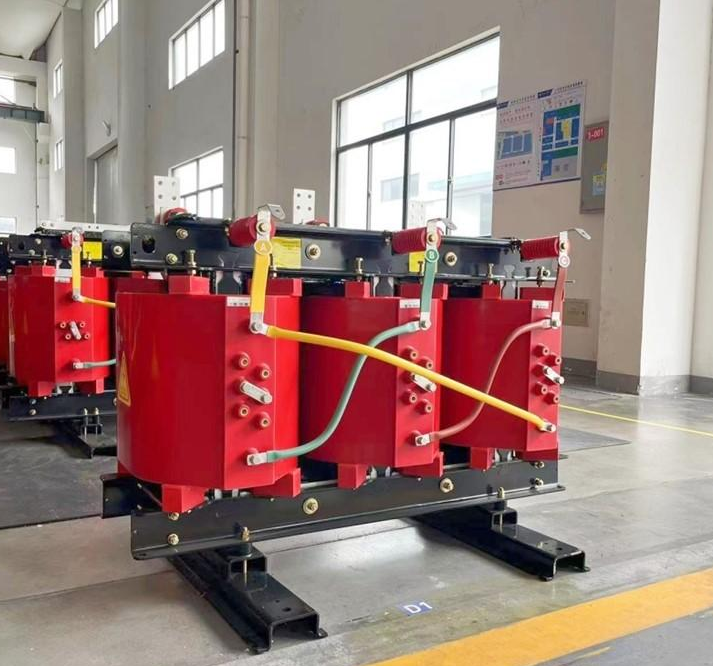
Dry type transformers use air and solid insulation materials instead of oil.Advantages:
- No oil leakage risk
- Higher fire safety
- Lower environmental concerns
- Suitable for indoor installations
- Reduced maintenance requirements
Common Applications:
- Commercial buildings
- Hospitals
- Data centers
- Airports
- Shopping malls
Key Factors to Consider
When selecting a transformer, project owners should evaluate:
- Installation environment
- Capacity requirements
- Fire safety regulations
- Maintenance capabilities
- Budget considerations
- Local standards
There is no universal “best” transformer. The correct choice depends on the specific operating conditions and project objectives.Working with experienced engineers during the design phase helps ensure optimal transformer selection and long-term reliability.